

This post may contain affiliate links, which means we may receive a commission for purchases made through links. Read more on our Affiliate Disclosure.
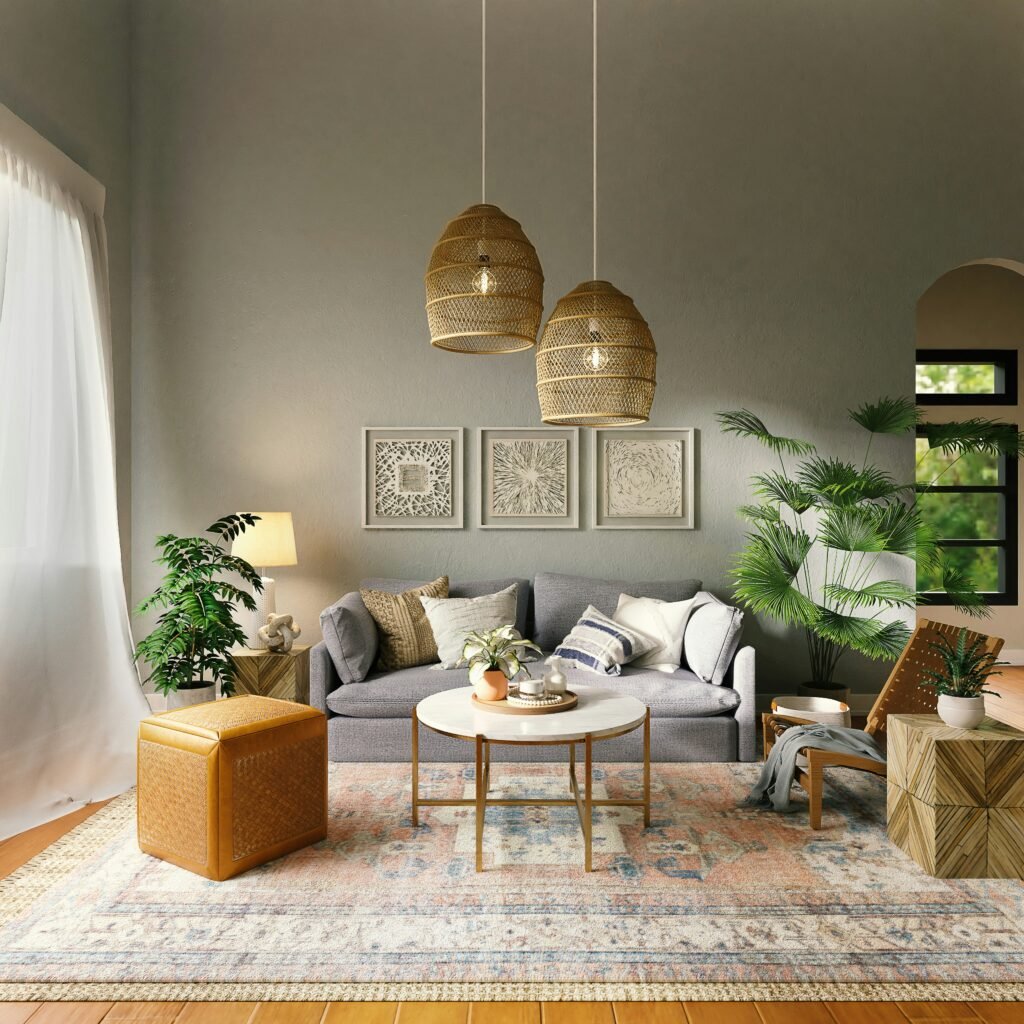
Finding the perfect floor covering can completely change how your room feels. Cool carpets and rugs are more than just practical pieces. They’re statement makers that bring personality to any space.
Modern interior design embraces bold patterns and textures. Women homeowners and designers know this well. The right rug anchors furniture. It defines zones. It adds warmth underfoot.
This guide walks you through everything about cool carpets and rugs. You’ll discover styles that work. Learn sizing tricks. Find washing tips. Get ready to make your floors fabulous.
What Makes Carpets and Rugs “Cool” in Interior Design?

Cool isn’t just about temperature. It’s about style that makes you stop and stare.
Cool carpets and rugs stand out through:
- Unique patterns that catch the eye
- Unexpected color combinations
- Interesting textures you want to touch
- Modern takes on classic designs
- Artisan craftsmanship
- Sustainable materials
The coolest pieces often mix old and new. A vintage Persian rug looks amazing in a minimalist loft. A geometric modern rug pops in a traditional dining room.
The Psychology Behind “Cool” Floor Coverings
Your brain responds to visual stimulation. Cool rugs create emotional reactions.
- Bold patterns increase energy in a space
- Soft textures promote relaxation
- Color psychology affects mood daily
- Unique designs spark creativity
Trending vs. Timeless: What Really Makes a Rug Cool
Not every trend lasts. Smart shoppers know the difference.
Trending right now:
- Abstract watercolor designs
- Chunky loop pile textures
- Earth tone color blocking
- Oversized geometric shapes
- Recycled material construction
Timeless cool options:
- Hand-knotted Persian patterns
- Natural fiber textures
- Black and white graphics
- Subtle vintage distressing
- Classic stripes in fresh colors
Mix both types. Your space stays current but won’t look dated next year.
Types of Cool Carpets and Rugs for Every Room

Different spaces need different approaches. Let’s break down what works where.
Modern Geometric Rugs
Geometric patterns bring structure to open spaces. They’re perfect for contemporary homes.
Popular geometric styles include:
- Hexagon honeycomb patterns
- Chevron zigzags
- Circle overlays
- Triangle tessellations
- Linear stripe variations
Best rooms for geometric rugs:
- Living rooms with sectional sofas
- Home offices needing energy
- Dining rooms with simple furniture
- Bedrooms wanting subtle interest
Vintage and Distressed Styles
Vintage-look rugs add character instantly. They make new spaces feel lived-in.
Characteristics of cool vintage rugs:
- Faded color palettes
- Worn pattern areas
- Soft, broken-in feel
- Overdyed color treatments
- Patchwork constructions
These work everywhere. Living rooms. Bedrooms. Even bathrooms with proper care.
Pro tip: Mix a distressed rug with sleek modern furniture. The contrast looks intentional and curated.
Bohemian and Moroccan-Inspired Carpets
Boho style never really left. It just evolved.
Key features:
- Tribal geometric patterns
- Fringe or tassel details
- Neutral base colors
- Hand-woven textures
- Asymmetrical designs
Perfect for:
- Eclectic living spaces
- Cozy reading nooks
- Layered bedroom looks
- Global-inspired dining rooms
Designer Justina Blakeney layers multiple Moroccan rugs. Different sizes. Similar color families. The look feels collected over time.
Shag and Textured Pile Rugs
Texture creates comfort. Shag rugs are making a comeback in fresh ways.
Modern shag options:
- Low-profile shags (not 1970s height)
- Mixed pile heights
- Wool and cotton blends
- Subtle color variations
- Sculptured patterns
Where they shine:
- Bedrooms for bare-foot comfort
- Living rooms with hard furniture
- Nurseries and playrooms
- Meditation or yoga spaces
Avoid: High-traffic entryways. Dining rooms where crumbs hide easily.
Natural Fiber Rugs (Jute, Sisal, Seagrass)
Sustainability meets style. Natural fibers are having a major moment.
Popular natural materials:
| Material | Texture | Durability | Best Use |
| Jute | Soft, slightly fuzzy | Medium | Living rooms, bedrooms |
| Sisal | Rough, textured | High | Entryways, offices |
| Seagrass | Smooth, stain-resistant | High | Dining rooms, patios |
| Bamboo | Silky, refined | Medium-High | Bedrooms, formal spaces |
Natural fiber rugs work in casual and formal settings. They layer well under other rugs too.
Styling tip: Place a colorful vintage rug over a large jute rug. The natural fiber becomes a neutral base. The top rug adds personality.
Bold Colored and Patterned Rugs

Color changes everything. Bold rugs transform bland rooms.
How to use bold rugs successfully:
- Let the rug be the room’s focal point
- Pull one rug color into throw pillows
- Keep walls neutral when rugs are loud
- Use solid furniture with busy rugs
- Consider room size before pattern scale
Example combinations that work:
- Emerald green rug + blush pink accents
- Terracotta pattern + navy furniture
- Mustard yellow + gray walls
- Cobalt blue + natural wood tones
Interior designer Studio McGee uses one statement rug per room. Everything else stays quieter. The effect is sophisticated, not overwhelming.
Minimalist and Scandinavian Designs
Sometimes less really is more. Minimalist rugs bring calm.
Characteristics:
- Muted color palettes
- Simple linear patterns
- Low-profile construction
- Natural material focus
- Ample negative space in design
Perfect for:
- Small apartments need visual breathing room
- Scandinavian-style interiors
- Japanese-inspired spaces
- Modern minimalist homes
Brands like Hem specialize in this aesthetic. Their rugs prove minimal doesn’t mean boring.
Choosing the Perfect Size Cool Carpet or Rug

Size matters more than most people think. Wrong size ruins even the coolest rug.
Standard Rug Sizes and Their Best Uses
Common rug dimensions:
| Size | Dimensions | Best Room Type |
| Small Accent | 2′ x 3′ to 3′ x 5′ | Entryways, bathrooms, beside beds |
| Medium | 5′ x 7′ to 6′ x 9′ | Small living rooms, bedrooms |
| Large | 8′ x 10′ to 9′ x 12′ | Full living rooms, dining rooms |
| Extra Large | 10′ x 14’+ | Open concept spaces, large bedrooms |
| Runners | 2.5′ x 8′ to 3′ x 12′ | Hallways, beside beds, kitchens |
Living Room Rug Sizing Guide
Your living room rug anchors the entire seating area.
Three main approaches:
1. All furniture on the rug
- Requires 8′ x 10′ minimum
- Best for dedicated living rooms
- Creates a cohesive, grounded look
- Makes small rooms feel bigger
2. Front legs on the rug
- Most popular approach
- Works with 5′ x 7′ to 8′ x 10′
- Defines space without dominating
- Allows the floor to show around the edges
3. Rug floats in the center
- The coffee table sits on a rug
- All furniture stays off
- Works in very large rooms
- Less common, but it can look cool
Pro measurement tip: Leave 12-18 inches between the rug edge and the walls. This breathing room prevents cramped feelings.
Bedroom Rug Placement Tips
Bedrooms offer flexibility. Comfort matters most here.
Popular bedroom layouts:
- Under the bed with overhang: Rug extends 18-24 inches on three sides. You step on softness getting up.
- Beside the bed (runners): Two runners flank the bed. Works with hardwood floors you want to showcase.
- Full room coverage: Wall-to-wall feel without installation. Leave 4-6 inches exposed around perimeter.
Size recommendations:
- Queen bed: 8′ x 10′ or 9′ x 12′ rug
- King bed: 9′ x 12′ minimum
- Twin bed: 5′ x 7′ or 6′ x 9′ rug
Dining Room Dimensions That Work
Dining rooms need practical sizing. Chairs must stay on the rug when pulled out.
The golden rule: Add 24-30 inches to each side of your table dimensions.
Example calculation:
- Table size: 60″ x 40″
- Add 24″ per side: 108″ x 88″
- Closest rug: 9′ x 7′ or 8′ x 10′
Shape considerations:
- Round tables: Use round or square rugs
- Rectangular tables: Rectangular rugs work best
- Oval tables: Rectangular or oval rugs
Natural fiber rugs excel in dining rooms. They hide crumbs better than pile rugs. Seagrass resists stains naturally.
Cool Rug Materials: From Wool to Synthetic Blends
Material affects everything. Look. Feel. Durability. Price. Maintenance.
Wool Rugs: Luxury and Durability
Wool is the gold standard. It’s been used for thousands of years.
Why wool rules:
- Naturally stain-resistant
- Flame-retardant without chemicals
- Incredibly durable (lasts 20+ years)
- Soft underfoot
- Naturally dirt-repelling
- Biodegradable
Drawbacks:
- Higher price point ($300-$3000+)
- Can shed initially
- Needs professional cleaning
- Some people are allergic
Best for: Living rooms, bedrooms, formal dining rooms, investment pieces
Cool wool example: Hand-knotted Turkish wool rugs. Each takes months to create. Patterns stay crisp for decades.
Cotton Rugs: Affordable and Washable
Cotton offers practicality at lower costs.
Cotton advantages:
- Machine washable (usually)
- Soft and comfortable
- Takes dye beautifully
- Budget-friendly ($50-$500)
- Hypoallergenic
Limitations:
- Less durable than wool
- Can wrinkle or bunch
- Fades faster in sunlight
- Thinner construction
Perfect for: Casual spaces, rentals, kids’ rooms, frequent washing needs
Brands like Ruggable built entire businesses on washable cotton rugs. Their two-piece system makes laundry possible.
Synthetic Materials (Polyester, Polypropylene, Nylon)
Synthetic rugs get better every year. Technology improves constantly.
Material comparison:
| Synthetic Type | Durability | Softness | Price Range | Best Use |
| Polyester | Medium | High | $$ | Bedrooms, low-traffic |
| Polypropylene | High | Medium | $ | Outdoor, high-traffic |
| Nylon | Very High | Medium-High | $$$ | Offices, hallways |
| Acrylic | Medium | High | $$ | Indoor/outdoor |
Synthetic benefits:
- Stain-resistant
- Fade-resistant
- Water-resistant
- Mold/mildew resistant
- Very affordable
Downsides:
- Can feel less natural
- May flatten over time
- Not biodegradable
- Can generate static
Cool application: Outdoor-indoor rugs in polypropylene. Use them on covered patios. Transition seamlessly inside. They handle moisture and sun.
Blended Materials: Best of Both Worlds
Smart manufacturers mix materials. Each blend has a purpose.
Popular blends:
- Wool + Nylon: Wool’s beauty with nylon’s strength
- Cotton + Polyester: Washable with better shape retention
- Jute + Chenille: Natural base with soft highlights
- Viscose + Wool: Silk-like sheen with durability
Example: 80% wool / 20% nylon rugs work great in homes with pets. The nylon adds resilience without sacrificing wool’s natural beauty.
Color Psychology: Picking Cool Rug Colors for Your Space

Color sets the mood. Choose wisely.
Neutral Rugs: Versatility and Sophistication
Neutrals never fail. They adapt to changing decor.
Popular neutral shades:
- Warm beige and cream
- Cool grays and charcoal
- Natural jute and tan
- Soft ivory and white
- Greige (gray-beige hybrid)
Why neutrals work:
- Match any color scheme
- Make small rooms feel bigger
- Won’t tire your eyes
- Easy to accessorize around
- Hide dirt better than white
Styling trick: Layer textured neutrals. A cream shag over beige jute. Different tones. Same color family. Adds depth without color.
Bold Colors: Making Statement Floors
Color brings energy. Don’t fear it.
How color affects mood:
- Red/Orange: Energizing, appetite-stimulating, warm
- Blue: Calming, productive, cool
- Green: Refreshing, balanced, natural
- Yellow: Happy, creative, attention-grabbing
- Purple: Luxurious, mysterious, sophisticated
- Pink: Playful, nurturing, modern
Pairing bold rugs with decor:
- Pull the rug’s accent color into two other elements (pillows, art)
- Keep 70% of room neutral
- Let rug be the star
- Use rug’s most subtle color for walls
Real example: Designer Amber Lewis uses terracotta rugs in neutral rooms. The warmth transforms bland beige into sophisticated earth tones.
Patterned vs. Solid: Visual Impact Considerations
Patterns add complexity. Solids bring calm.
When to choose patterns:
- Room lacks architectural interest
- Furniture is simple and solid-colored
- You want to hide minor stains
- Space feels too plain
- You’re creating eclectic style
When to choose solids:
- Walls have busy wallpaper
- Furniture is patterned or ornate
- You want minimalist aesthetic
- Room is very small
- You plan to change decor often
The 60-30-10 design rule:
- 60% dominant color (walls, large furniture)
- 30% secondary color (rugs, curtains)
- 10% accent color (pillows, art)
Your rug can be the 30% or even the 60% in open spaces.
Where to Buy Cool Carpets and Rugs
Shopping smart saves money and disappointment.
Online Retailers vs. In-Store Shopping
Both have advantages. Use both strategically.
Online shopping benefits:
- Massive selection
- Easy price comparison
- Customer reviews help decisions
- Often better prices
- Shop from home comfort
- Easy returns (usually)
Online challenges:
- Can’t feel texture
- Colors may vary from photos
- Size harder to visualize
- Shipping can be expensive
- Return logistics complicated for large rugs
In-store benefits:
- Touch and feel materials
- See true colors
- Accurate size assessment
- Immediate gratification
- Expert staff help
- Sometimes better return policies
In-store challenges:
- Limited selection
- Higher prices often
- Time-consuming
- Pressure sales tactics
- Can’t easily compare options
Smart approach: Research online. View favorites in-store if possible. Order online for best price. Many retailers like West Elm and CB2 allow in-store viewing with online purchase.
Budget-Friendly Options Without Sacrificing Style
Cool doesn’t require breaking the bank.
Affordable retailers offering style:
- Rugs USA: Trendy designs, frequent sales, $50-$300 range
- Wayfair: Huge selection, all price points, good filters
- Target: Project 62 line is surprisingly cool, under $200
- IKEA: Scandinavian minimalist style, $30-$300
- Amazon: Everything, check reviews carefully, $40-$500
- H&M Home: Unexpected gem for small rugs, $20-$150
Money-saving strategies:
- Shop end-of-season sales (January, July)
- Buy slightly smaller than ideal
- Choose synthetic over wool initially
- Look for floor samples
- Check Facebook Marketplace for vintage finds
- Sign up for email lists (20% off codes)
Quality check even at low prices:
- Dense weave or pile
- Tight binding on edges
- No chemical smell
- Good weight for size
- Clear pattern definition
Luxury and Designer Rug Brands
Investment pieces last decades. Sometimes they’re worth it.
Top luxury rug brands:
- The Rug Company: Celebrity designer collaborations, $2000-$15,000+
- Stark: Custom and ready-made, decorator favorite, $1000-$10,000+
- Christopher Farr: Bold modern patterns, $1500-$8000
- Anthropologie: Designer look, mid-luxury pricing, $400-$3000
- Armadillo & Co: Sustainable luxury, $800-$5000
- Loloi: High-quality at accessible luxury, $300-$2000
When luxury makes sense:
- High-traffic areas needing durability
- Forever homes
- Heirloom pieces
- Very specific color/pattern needs
- Supporting artisan communities
- Investment in resale value
According to The Spruce, a quality wool rug properly maintained can last 20-50 years. That’s $50-100 per year for a $2000 rug.
Custom and Handmade Options
Unique spaces deserve unique rugs.
Custom rug sources:
- Local artisans: Search Instagram, Etsy
- Custom manufacturers: Specify exact size, color, pattern
- Rug studios: Work with designers directly
- Fair trade cooperatives: Support global artisans
- Vintage vendors: Modify vintage pieces
Custom benefits:
- Perfect size match
- Exact color coordination
- One-of-a-kind piece
- Support small businesses
- Heirloom quality
- Personal connection to piece
Custom considerations:
- Higher costs ($1000-$10,000+)
- Longer wait times (6-16 weeks)
- Less ability to return
- Requires clear vision
- More research needed
Real story: Designer Shea McGee custom-ordered a 12′ x 18′ rug for a client’s great room. No retail option fit. The custom piece became the room’s foundation. Worth every penny and the three-month wait.
Styling Cool Rugs in Different Interior Design Themes
Your rug should enhance your overall style. Not fight it.
Modern and Contemporary Spaces
Modern design loves clean lines. Cool rugs add warmth without clutter.
Modern rug characteristics:
- Geometric patterns
- Bold solid colors
- Abstract designs
- Low-profile construction
- Minimal borders
- Unexpected shapes
Pairing with modern furniture:
- Sleek sofas need texture contrast
- Glass tables show off pattern underneath
- Metal accents complement geometric designs
- Neutral rugs let modern art shine
- Bold rugs work with simple furniture
Example combo: Charcoal sectional sofa. White walls. Black metal coffee table. Add a rust-colored abstract rug. The warm tone softens hard edges. The abstract pattern adds movement.
Bohemian and Eclectic Interiors
Boho loves layering. More is more here.
Boho rug styling:
- Layer multiple rugs of different sizes
- Mix patterns confidently
- Embrace vintage and new together
- Use runners in unexpected places
- Let rugs climb walls as tapestries
- Fringe and tassels welcome
Layering formula:
- Large neutral base rug (jute or sisal)
- Medium patterned vintage rug on top
- Small accent rug or sheepskin for extra texture
Color approach: Warm earth tones. Terracotta. Mustard. Olive green. Rust. Deep navy. All work together in boho spaces.
Designer Justina Blakeney (Jungalow) often uses 3-4 rugs in one living room. Different patterns. Connected by color family. Creates collected, well-traveled vibe.
Scandinavian Minimalism
Scandinavian design balances minimal with cozy. Rugs play a key role.
Scandi rug rules:
- Stick to neutrals primarily
- Choose natural materials
- Simple geometric patterns acceptable
- Texture over pattern usually
- Quality over quantity
- Function matters as much as form
Perfect Scandi rug choices:
- Thick wool in cream or gray
- Natural jute with subtle stripe
- Sheepskin throws
- Simple black and white graphics
- Woven cotton flatweaves
Styling tip: In Scandi spaces, one beautiful rug is enough. Let it shine against white walls and light wood floors.
Industrial and Urban Loft Styles
Industrial spaces need softening. Cool rugs do this perfectly.
Industrial-friendly rugs:
- Distressed vintage looks
- Dark colors (charcoal, black, deep blue)
- Geometric patterns
- Low-pile for easy furniture movement
- Leather or hide accents
- Overdyed vintage pieces
Pairing with industrial elements:
- Exposed brick + neutral textured rug
- Concrete floors + warm wool rug
- Metal furniture + soft shag
- Dark walls + light patterned rug for contrast
Example: Loft with exposed ductwork. Concrete floors. Black metal windows. Add an oversized cream wool rug with subtle gray pattern. Instantly warmer. Still edgy.
Traditional Homes with Modern Rug Updates
Traditional doesn’t mean boring. Cool rugs update classic spaces.
How to modernize traditional rooms:
- Replace oriental rug with geometric version
- Use bold color in traditional pattern
- Overdye vintage Persian in contemporary color
- Choose traditional pattern in unexpected material (jute, not silk)
- Scale up pattern size dramatically
Examples that work:
- Navy geometric rug + traditional wingback chairs
- Blush pink Persian + dark wood furniture
- Natural jute + crystal chandelier
- Black and white cowhide + antique desk
The contrast creates tension. That tension makes spaces interesting.
Care and Maintenance for Cool Carpets and Rugs
Beautiful rugs need proper care. Extend their life and beauty.
Regular Cleaning and Vacuuming Tips
Prevention beats cleaning. But both matter.
Vacuuming schedule:
- High-traffic areas: 2-3 times per week
- Medium-traffic: Once per week
- Low-traffic: Once every 2 weeks
- Natural fiber rugs: Once per month (gentle setting)
Vacuuming best practices:
- Use appropriate setting for pile height
- Avoid beater bars on delicate rugs
- Vacuum both sides annually
- Go slowly for better dirt removal
- Use crevice tool for fringes
- Flip rugs quarterly for even wear
What NOT to do:
- Don’t vacuum freshly cleaned wet rugs
- Avoid vacuuming fringe (shake or brush instead)
- Skip beater bars on looped rugs
- Don’t use highest suction on silk or vintage
- Never vacuum over snags or pulls
Special material needs:
| Material | Vacuum Frequency | Special Notes |
| Wool | 2x per week | Use medium suction, both sides quarterly |
| Cotton | 1-2x per week | Machine washable types can be shaken outside |
| Jute/Sisal | 1x per week | Gentle setting only, avoid moisture |
| Silk | 1x per 2 weeks | Lowest suction, no beater bar |
| Shag | 2x per week | Rake pile after vacuuming |
| Cowhide | Shake only | Vacuum reverse side occasionally |
Stain Removal Techniques for Different Materials
Act fast. Stains set quickly.
Universal stain removal steps:
- Blot immediately (never rub)
- Work from outside edges inward
- Use white cloths only (dyes can transfer)
- Test cleaning solution in hidden spot first
- Blot dry thoroughly
- Air dry completely before walking on
Common stain solutions:
Wine/Juice:
- Blot excess
- Apply cold water
- Blot with white vinegar solution (1:2 vinegar to water)
- Rinse with water
- Blot dry
Coffee/Tea:
- Blot excess
- Apply cold water and mild dish soap
- Rinse thoroughly
- For set stains, try hydrogen peroxide (test first)
Pet accidents:
- Blot all moisture
- Use enzyme cleaner designed for pet stains
- Avoid ammonia-based cleaners (smells like urine to pets)
- Rinse and dry completely
- Consider waterproof rug pads for future protection
Grease/Oil:
- Sprinkle cornstarch or baking soda
- Let sit 15-30 minutes
- Vacuum up powder
- Apply small amount of dish soap
- Blot with damp cloth
- Rinse and dry
Material-specific cautions:
- Wool: Avoid hot water (causes felting)
- Silk: Professional cleaning only for stains
- Jute/Sisal: Never saturate with water (causes staining and mildew)
- Cotton: Usually more forgiving, machine wash if possible
- Synthetic: Most resistant, but avoid harsh chemicals
Professional Cleaning: When and How Often
Professionals have tools you don’t. Use them wisely.
Recommended professional cleaning schedule:
- High-traffic rugs: Every 12-18 months
- Medium-traffic: Every 2-3 years
- Low-traffic: Every 3-5 years
- Wool rugs: Every 12-24 months
- Delicate/antique: As needed, always professionally
What professional cleaning includes:
- Deep extraction cleaning
- pH balancing
- Moth and bacteria treatment
- Pile restoration
- Fringe cleaning
- Minor repair assessment
Finding good rug cleaners:
- Look for IICRC certification
- Ask about process (pickup, cleaning method, drying)
- Check reviews specifically mentioning rug type
- Avoid steam cleaners for delicate rugs
- Get written estimates
- Ensure insurance coverage
Cost expectations:
- Average: $2-$5 per square foot
- Silk or antique: $5-$10 per square foot
- Pickup/delivery: $50-$150 additional
- Repairs: Quoted separately
DIY vs. Professional:
DIY appropriate for:
- Washable cotton rugs
- Small synthetic rugs
- Outdoor rugs
- Regular maintenance
Professional necessary for:
- Wool and silk rugs
- Antique or valuable rugs
- Large rugs
- Stubborn stains
- Water damage
- Odor removal
Storage Tips for Seasonal Rug Rotation
Rotate rugs seasonally. Extends life. Refreshes looks.
Proper rug storage process:
- Clean thoroughly first
- Vacuum both sides
- Treat any stains
- Ensure completely dry
- Brush pile in one direction
- Add moth protection
- Use cedar balls or lavender sachets
- Avoid mothballs (toxic, smell lingers)
- Check for existing moth damage
- Roll, don’t fold
- Roll with pile facing inward
- Roll in direction of pile
- Avoid creasing
- Use tube for large rugs
- Wrap protection
- Use breathable cotton sheet or muslin
- Avoid plastic (traps moisture)
- Tie loosely with cotton twine
- Label with contents
- Store properly
- Cool, dry location
- Off the floor (prevents moisture)
- Away from direct sunlight
- Climate-controlled if possible
- Don’t stack too many on top
What damages stored rugs:
- Moisture (causes mildew)
- Moths and carpet beetles
- Folding (creates permanent creases)
- Heat and humidity fluctuation
- Plastic wrapping
- Improper stacking weight
Before returning to use:
- Unroll and air out 24-48 hours
- Vacuum both sides
- Inspect for damage
- Let pile relax
- Use rug pad
Cool Rug Trends for 2026 and Beyond

Stay ahead of the curve. Know what’s coming.
Sustainable and Eco-Friendly Materials
Sustainability isn’t just trend. It’s necessity. Consumers demand it.
Growing eco-friendly options:
- Recycled PET (plastic bottles): Soft, durable, diverts waste
- Hemp: Fast-growing, low-impact, strong fibers
- Bamboo silk: Sustainable, lustrous, biodegradable
- Organic cotton: No pesticides, better for planet
- Natural rubber backing: Replaces synthetic latex
- Upcycled vintage: Giving old rugs new life
Brands leading sustainability:
- Armadillo & Co: Transparent supply chain, natural materials
- The Citizenry: Fair trade, artisan-made
- Revival: Overdyed vintage rugs
- Elson & Co: GOTS-certified organic options
Why sustainable matters:
- Traditional rug dyes contain toxic chemicals
- Synthetic rugs release microplastics
- Production uses enormous water
- Many rugs aren’t biodegradable
- Labor practices often questionable
Conscious consumers research. They ask questions. They pay more for ethical production.
Texture-Focused Designs
Visual interest comes from touch now. Texture dominates trends.
Popular texture techniques:
- High-low pile: Creates shadow and dimension
- Loop pile: Adds sculptural quality
- Mixed materials: Wool + viscose in one rug
- Carved details: Indented patterns
- Braided or woven: Visible construction
- Shaggy accents: Strategic pile height changes
Why texture matters more:
- Minimalist rooms need subtle interest
- Works with neutral color schemes
- Adds warmth without pattern
- Instagram-friendly (photographs well)
- Feels luxurious
Designer Kelly Wearstler uses heavily textured rugs in neutral palettes. The touch appeal compensates for color restraint.
Curved and Organic Shapes
Goodbye rectangles. Hello flowing forms.
Trending rug shapes:
- Kidney beans
- Organic blobs
- Semi-circles
- Rounded rectangles
- Cloud shapes
- Freeform abstracts
Why organic shapes work:
- Soften angular furniture
- Create focal points
- Feel more natural
- Unexpected and cool
- Perfect for defining zones in open plans
Styling organic-shaped rugs:
- Float in center of seating area
- Use under round dining tables
- Create reading nooks
- Define workspace in studios
- Pair with curved furniture
Brands like Ferm Living and HAY lead this trend. Their rugs feel fresh and modern.
Watercolor and Abstract Patterns
Art meets floor covering. Abstract patterns bring gallery vibes home.
Characteristics:
- Painterly effects
- Soft color blends
- No defined edges
- Movement and flow
- Unique colorways
- Artistic expression
Best applications:
- Modern living rooms
- Creative workspaces
- Bedrooms wanting serenity
- Galleries and studios
- Spaces with simple furniture
Pairing tips:
- Keep furniture solid colors
- Pull one watercolor hue into pillows
- Frame rug visually with furniture placement
- Use in rooms with good natural light
- Avoid competing with busy walls
These rugs are conversation starters. They make design statements. Choose if you love art.
Common Mistakes to Avoid When Buying Cool Rugs
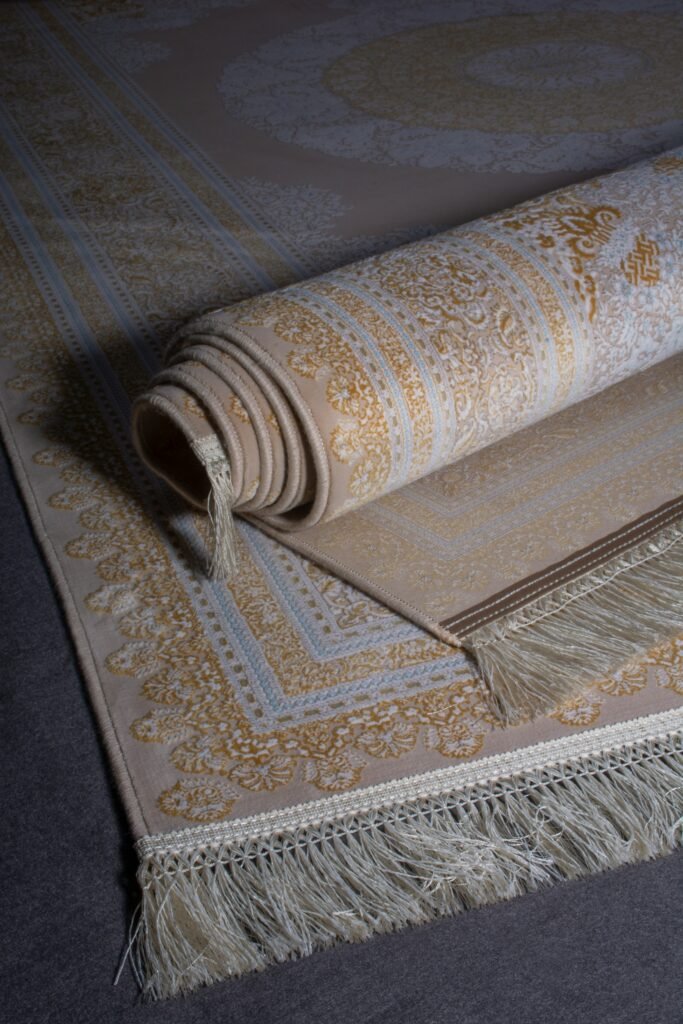
Learn from others’ errors. Save time and money.
Sizing Errors and How to Prevent Them
Wrong size is the most common mistake. Also the easiest to avoid.
Measuring mistakes:
❌ Guessing measurements ✅ Use tape measure, mark corners with painter’s tape
❌ Forgetting furniture legs ✅ Measure furniture footprint, add extension needed
❌ Ignoring door clearances ✅ Ensure rugs fit under opening doors
❌ Not considering rug pad thickness ✅ Account for extra height if needed
Size visualization tricks:
- Use newspaper or butcher paper to outline size
- Tape down corners to see scale
- Leave temporary outline for a few days
- Sit in space and assess
- Take photos to see from different angles
Room-specific size rules:
Living room: Rug should fit all front furniture legs at minimum
Dining room: Add 24-30″ beyond table edge on all sides
Bedroom: Rug should extend 18-24″ beyond bed on sides and foot
Hallway runner: Leave 3-6″ on each side, stop 6″ before doors
When in doubt, size up. Larger rugs make rooms feel bigger. Small rugs floating in space look disconnected.
Choosing Style Over Function
Cool looks fade if rug doesn’t work practically.
Functionality to consider:
High-traffic areas need:
- Durable materials (wool, nylon, polypropylene)
- Darker colors or patterns (hide wear)
- Low to medium pile (easier to walk on)
- Good rug pad (prevents shifting)
- Easy-to-clean fibers
Avoid in high-traffic:
- White or light cream
- Deep shag
- Delicate silk
- Light cotton
- Fragile vintage pieces
Lifestyle considerations:
Pets: Choose stain-resistant, tightly woven, darker patterns
Kids: Washable, forgiving colors, playful but not too precious
Entertaining: Durable, larger sizes, hide-wine-spills patterns
Minimalist: Simple maintenance, timeless style
Real mistake example: A designer friend bought a white shag rug for her entryway. Looked amazing for two weeks. Then tracked-in dirt made it gray-ish. It’s now in her bedroom where traffic is low.
Ignoring Lighting and Existing Color Schemes
Colors look different in your specific light. Test before buying.
Lighting affects color perception:
- North-facing rooms: Cool, blue-toned light – warm rugs compensate
- South-facing rooms: Warm, yellow light – cool rugs balance
- East-facing rooms: Bright morning, dim afternoon – versatile rugs work
- West-facing rooms: Warm evening glow – any color shines
Testing color in your space:
- Request samples or swatches
- Place samples in room
- View at different times of day
- See with overhead lights on/off
- Compare next to existing fabrics
- Live with it a few days
Color scheme mistakes:
❌ Too matchy-matchy: Exact sofa color in rug looks forced
✅ Complementary coordination: Pull accent colors, not main colors
❌ Fighting colors: Orange rug with pink sofa unless intentionally bold
✅ Analogous harmony: Colors next to each other on color wheel
❌ All neutrals, no grounding: Everything beige with no depth
✅ Layered neutrals: Different tones, different textures
The 60-30-10 rule revisited:
Your rug can be:
- 30% of scheme (secondary color, safe choice)
- 60% of scheme (bold, if rug is very large)
- 10% of scheme (accent rug, small spaces)
Budget Planning: Getting Cool Rugs Without Breaking the Bank
Style doesn’t require huge budgets. Smart shopping does.
Cost Comparison by Material and Size
Know what to expect. Plan accordingly.
Average price ranges:
| Material | 5’x7′ | 8’x10′ | 9’x12′ |
| Polyester | $80-$200 | $200-$400 | $300-$600 |
| Cotton | $100-$250 | $250-$500 | $400-$700 |
| Jute/Sisal | $120-$300 | $300-$600 | $500-$900 |
| Wool Blend | $200-$500 | $500-$1200 | $800-$1800 |
| 100% Wool | $400-$1000 | $1000-$2500 | $1500-$4000 |
| Silk | $800-$2000 | $2000-$5000 | $3000-$8000 |
Factors affecting price:
- Construction method: Hand-knotted > hand-tufted > machine-made
- Knot density: Higher = more expensive
- Material quality: Natural > synthetic usually
- Country of origin: Labor costs vary
- Brand premium: Designer names cost more
- Customization: Custom always costs more
Sales and Seasonal Discounts
Timing matters. Wait for sales when possible.
Best sale periods:
- January: Post-holiday clearance, 30-50% off
- February: President’s Day sales, 20-40% off
- April: Spring refreshes, 15-30% off
- July: Mid-year clearance, 30-50% off
- September: Labor Day, 20-35% off
- November: Black Friday, 25-60% off
- December: Pre-Christmas, 20-40% off
Sale shopping strategies:
- Build wish list off-season: Track items you want
- Set price alerts: Use CamelCamelCamel for Amazon, Honey for other sites
- Sign up for emails: Get 15-20% off codes immediately
- Follow brands on social: Flash sales announced there first
- Check multiple retailers: Same rug, different prices
Warehouse and outlet options:
- HomeGoods/TJ Maxx: Designer rugs at 50-70% off, hit-or-miss
- RugStudio Outlet: Overstock, discontinued, $100-$500
- Wayfair Open Box: Returns/damaged packaging, 20-50% off
- West Elm Outlet: Last season’s stock, 40-70% off
Don’t sacrifice quality for sales. A $100 rug that lasts 2 years costs more than a $300 rug lasting 10 years.
DIY Rug Projects for Creative Budgets
Make your own cool rug. Cheaper and unique.
Beginner DIY rug projects:
1. Painted Drop Cloth Rug
- Materials: Canvas drop cloth, fabric paint, stencils
- Cost: $30-$60
- Difficulty: Easy
- Time: 4-6 hours plus drying
- Result: Custom pattern, washable, durable
2. Braided Fabric Rug
- Materials: Old t-shirts or sheets, needle and thread
- Cost: $0-$20
- Difficulty: Easy-Medium
- Time: 10-15 hours
- Result: Colorful, soft, eco-friendly
3. Painted Sisal or Jute Rug
- Materials: Plain sisal rug, acrylic paint, painter’s tape
- Cost: $50-$150 (including base rug)
- Difficulty: Easy
- Time: 3-4 hours plus drying
- Result: Geometric patterns, semi-custom look
4. Pom-Pom Rug
- Materials: Yarn, rug canvas or mesh, scissors
- Cost: $40-$80
- Difficulty: Medium
- Time: 15-20 hours
- Result: Ultra-soft, textured, fun
5. Tile-Pattern Rug
- Materials: Plain rug, fabric paint, tile stencil
- Cost: $60-$120
- Difficulty: Medium
- Time: 6-8 hours
- Result: Moroccan tile effect, customizable colors
DIY benefits:
- Exact size needed
- Custom colors
- Unique piece
- Cost savings 40-70%
- Pride of creation
- Learn new skills
DIY limitations:
- Time investment significant
- Requires some skill
- May not be heirloom quality
- Limited durability
- Can look homemade (not always bad)
Resources for DIY rugs:
- YouTube tutorials (search “DIY painted rug”)
- Pinterest inspiration boards
- Craft store workshops
- Blogs like A Beautiful Mess and Sugar & Cloth
Rug Pads: The Unsung Heroes of Cool Carpet Styling
Never skip the rug pad. It’s essential.
Why Rug Pads Matter
Rug pads do more than prevent sliding. They’re crucial.
Benefits of quality rug pads:
Safety:
- Prevent slips and falls
- Eliminate rug bunching
- Keep edges flat
- Reduce trip hazards
- Especially important for elderly, children, pets
Protection:
- Protect floor from rug dyes
- Prevent hardwood scratching
- Create airflow under rug
- Reduce moisture buildup
- Extend rug life significantly
Comfort:
- Add cushioning underfoot
- Make thin rugs feel thicker
- Reduce floor hardness
- Create luxurious feel
- Insulate from cold floors
Acoustics:
- Dampen sound
- Reduce echo in large rooms
- Muffle footsteps
- Create quieter environment
Rug maintenance:
- Less vacuuming needed (pad catches dirt)
- Rug stays cleaner longer
- Easier to vacuum (rug doesn’t slide)
- Reduces wear patterns
According to cleaning experts, rugs with pads last 50% longer than those without.
Types of Rug Pads for Different Surfaces
Match pad to your floor type. It matters.
Rug pad materials:
| Pad Type | Best Floor | Thickness | Grip Level | Price |
| Felt | Hardwood | 1/4″ – 1/2″ | Medium | $$$ |
| Rubber | Hardwood, Tile | 1/8″ – 1/4″ | High | $$ |
| Felt + Rubber | Any hard floor | 1/4″ – 3/8″ | Very High | $$$$ |
| PVC | Any | 1/8″ – 1/4″ | High | $ |
| Natural Rubber | Any | 1/8″ – 1/4″ | Very High | $$$$ |
| Memory Foam | Any | 1/2″ – 3/4″ | Medium | $$$ |
Floor-specific recommendations:
Hardwood floors:
- Use natural rubber or felt
- Avoid PVC (can discolor wood)
- Ensure non-slip coating is safe for finish
- Choose breathable options
- Select slightly smaller than rug (1-2″ on all sides)
Tile and stone:
- Rubber or felt-rubber combo works well
- High grip important
- Moisture-resistance helpful
- Extra cushioning nice (hard floors)
Carpet over carpet:
- Thin, flat pads only
- Focus on grip, not cushion
- Avoid thick pads (create lumps)
- Consider carpet tape for small rugs
Vinyl and laminate:
- Non-staining materials essential
- Good grip needed
- Breathability important
- Check manufacturer recommendations
Heated floors:
- Thin pads only
- Felt is ideal
- Avoid thick rubber (insulates too much)
- Check pad is rated for radiant heat
Sizing Rug Pads Correctly
Rug pad should be slightly smaller than rug. Here’s why.
Correct sizing:
- Trim pad 1-2″ smaller on all sides
- Rug edges should extend past pad
- Pad should never be visible
- Prevents pad from showing
- Allows rug edges to lie flat
Why not the same size:
If pad goes to edges:
- Shows under rug
- Rug edges curl up
- Looks unprofessional
- Catches when vacuuming
Cutting pads to size:
Most pads can be trimmed:
- Lay rug face down
- Place pad on back
- Mark pad 1-2″ inside rug edge
- Cut with scissors or utility knife
- Use straight edge for clean lines
Pre-cut vs. custom:
Pre-cut pads:
- Standard sizes
- Immediate availability
- Lower cost
- May not fit perfectly
Custom-cut pads:
- Exact size needed
- For unusual shapes
- Higher cost
- Perfect fit
Odd-shaped rugs:
Rounds, ovals, and organic shapes need:
- Custom cutting
- Extra attention to curves
- Slightly smaller pad (2-3″)
- Professional cutting recommended for expensive rugs
Cool Rugs for Specific Rooms: Detailed Guide

Each room has unique needs. Let’s get specific.
Entryway and Hallway Runners
First impressions matter. Entryways set the tone.
Entryway rug requirements:
- Durable material (high traffic)
- Dirt-hiding patterns or colors
- Easy to clean
- Appropriate size (welcomes but doesn’t crowd)
- Non-slip (safety first)
Best materials for entryways:
- Polypropylene (weather-resistant, easy-clean)
- Jute or sisal (hides dirt well)
- Low-pile wool (durable, professional)
- Indoor-outdoor synthetics (handles moisture)
Sizing entryway rugs:
- Should cover 60-80% of floor space
- Leave 8-12″ on sides to show floor
- Don’t block doors when opening
- Consider furniture placement (console tables, benches)
Hallway runner rules:
- Leave 3-6″ floor visible on each side
- Stop 6-8″ before doorways
- Custom lengths often needed
- Secure with rug pads (prevent slipping)
Cool entryway examples:
- Geometric runner in navy and cream
- Vintage-look Persian in rust tones
- Natural jute with black border
- Modern abstract in warm neutrals
Pro tip: Layer a smaller patterned rug over a larger sisal runner in long hallways. Creates visual interest. Provides texture contrast.
Living Room Layout Ideas
Living rooms showcase rugs. Get it right.
Three living room layouts:
Layout 1: All Furniture On
- Rug size: 8’x10′ minimum, often 9’x12′ or larger
- All furniture legs on rug
- Best for: Dedicated living rooms, formal spaces
- Effect: Cohesive, grounded, expansive
- Rug recommendations: Statement patterns, quality investment pieces
Layout 2: Front Legs On
- Rug size: 5’x7′ to 8’x10′
- Only front furniture legs on rug
- Best for: Medium-sized living rooms, budget-conscious
- Effect: Defined seating area, room feels larger
- Rug recommendations: Anything goes, most versatile
Layout 3: Coffee Table Centered
- Rug size: 4’x6′ to 6’x9′
- Only coffee table on rug
- Best for: Large rooms, secondary seating areas
- Effect: Intimate conversation zone
- Rug recommendations: Bold colors, unique shapes
Sectional sofa considerations:
- Sectionals need 8’x10′ minimum
- L-shape configurations: rectangle rugs
- U-shape configurations: square rugs better
- Rug should extend 6-12″ beyond sectional footprint
Small living room tricks:
- Use larger rug than expected (makes room feel bigger)
- Light colors expand space visually
- Stripes can elongate room
- Avoid tiny rugs (make space feel smaller)
Cool living room rug ideas:
- Overdyed vintage Persian under modern sofa
- Large-scale geometric under traditional furniture
- Layered neutrals (jute base + colorful vintage top)
- Abstract watercolor under glass coffee table
- Natural fiber under all furniture for organic warmth
Bedroom Comfort and Style
Bedrooms should feel like retreats. Rugs add comfort.
Bedroom rug placement options:
Option 1: Under the Bed
- Most popular choice
- Rug extends 18-24″ on three sides
- Step on softness each morning
- Anchors bed visually
Sizes needed:
- Queen bed: 8’x10′ or 9’x12′
- King bed: 9’x12′ minimum
- Twin bed: 5’x7′ or 6’x9′
Option 2: Runners Beside Bed
- Two matching runners
- Flank both sides of bed
- Shows off beautiful floors
- Less expensive than large rug
Runner sizes: 2.5’x8′ to 3’x10′
Option 3: At Foot of Bed
- Small accent rug
- Decorative accent
- Less functional
- Works in small bedrooms
Size: 4’x6′ or 5’x7′
Bedroom rug materials:
Best choices:
- Soft wool (barefoot luxury)
- Plush cotton (washable)
- Shag (cozy, tactile)
- Sheepskin (on top of larger rug)
Avoid:
- Rough sisal (uncomfortable underfoot)
- Very thin flatweaves (no cushion)
Color and pattern for bedrooms:
Calming options:
- Soft blues and greens
- Warm neutrals
- Subtle patterns
- Tone-on-tone designs
Energizing options:
- Bold geometrics
- Vibrant colors
- High-contrast patterns
- Unexpected shapes
Romantic options:
- Blush pinks
- Soft grays
- Vintage Persian
- Floral patterns
Example bedroom: White bedding. Light gray walls. Navy geometric rug 9’x12′ under queen bed. Brass lighting. Natural wood nightstands. The navy grounds the light room. Adds masculinity. Creates depth.
Dining Room Practicality
Dining rooms need beauty and function both.
Critical dining room requirement:
Chairs must stay on rug when pulled out.
Sizing formula:
Table dimensions + 48-60 inches = Rug dimensions
Example:
- Table: 60″ x 40″
- Add 48″: 108″ x 88″
- Rug needed: 9’x7′ or 8’x10′
Shape considerations:
| Table Shape | Best Rug Shape |
| Rectangle | Rectangle |
| Square | Square or Round |
| Round | Round or Square |
| Oval | Rectangle or Oval |
Material priorities for dining:
Best:
- Flatweave (easy to slide chairs)
- Jute or sisal (hides crumbs)
- Seagrass (stain-resistant)
- Outdoor-indoor synthetic (spill-proof)
- Low-pile wool (durable, cleanable)
Avoid:
- High shag (chairs won’t slide)
- Very light colors (stains show)
- Looped pile (chair legs catch)
- Precious silk (too delicate)
Pattern choices:
Dark or busy patterns hide:
- Food spills
- Chair scuff marks
- General wear
Light or simple patterns:
- Show off beautiful table
- Work in formal settings
- Require more maintenance
Dining rug care extras:
- Use high-quality rug pad (prevents bunching)
- Vacuum after each meal (if possible)
- Clean spills immediately
- Professional clean annually
- Consider Scotchgard treatment
Cool dining room example: Natural seagrass rug under dark wood table. White upholstered chairs. Pendant chandelier. Casual meets elegant. Easy to maintain. Timeless style.
Home Office Inspiration
Workspaces need inspiration and comfort.
Home office rug benefits:
- Defines work zone in multipurpose rooms
- Reduces sound from chair rolling
- Adds warmth to typically hard-surfaced rooms
- Protects floors from chair wear
- Provides comfort for standing desks
Sizing for office:
Desk placement:
- Desk and chair should fit on rug completely
- Add 2-3 feet around desk footprint
- Allow chair to roll without going off rug
Typical sizes:
- Single desk: 5’x7′ or 6’x9′
- L-shaped desk: 8’x10′
- Large executive desk: 9’x12′
Material considerations:
Best for office:
- Low-pile wool (chair rolls easily)
- Flatweave (smooth surface)
- Tight weave synthetics (durable)
- Leather or hide (upscale, easy to clean)
Avoid:
- Shag (chair wheels catch)
- High pile (hard to roll on)
- Very plush (creates resistance)
Color psychology for offices:
- Blue: Promotes focus and productivity
- Green: Reduces eye strain, encourages balance
- Gray: Professional, neutral, won’t distract
- Burgundy/Navy: Executive, authoritative
- Warm neutrals: Comfortable, welcoming for client meetings
Pattern considerations:
Busy patterns: Can distract during video calls
Simple patterns: Professional, camera-friendly
Geometric: Adds energy and creativity
Natural textures: Calming but interesting
Zoom-friendly rug choices:
With video calls common:
- Consider what shows on camera
- Avoid very busy patterns behind you
- Choose professional colors
- Make sure rug looks intentional
Home office example: Charcoal flatweave rug. Mid-century modern desk. Leather desk chair. Brass task lamp. Gallery wall. The dark rug grounds the lighter space. Professional. Photogenic. Practical.
Kids’ Rooms and Play Areas
Kids’ spaces need durability above all.
Priorities for kids’ rugs:
- Washable (accidents happen)
- Soft (for play time on floor)
- Non-toxic (low VOC, safe materials)
- Durable (withstand abuse)
- Fun (engages imagination)
Best rug types for kids:
Ruggable system:
- Two pieces: pad + machine-washable cover
- Change covers seasonally
- Clean in home washing machine
- Worth the investment ($200-$600)
Cotton rugs:
- Often machine washable
- Soft for play
- Affordable to replace
- Many kid-friendly designs
Low-pile synthetics:
- Stain-resistant
- Durable
- Easy to spot clean
- Budget-friendly
Avoid for kids:
- Wool (harder to clean thoroughly)
- Shag (hides small toys, hard to vacuum)
- White or very light colors
- Delicate vintage pieces
- Expensive investment rugs
Size considerations:
- Large enough for play area
- Cover high-traffic zones
- Consider room to grow
- Plan for furniture changes
Fun kid rug ideas:
- City street maps (for toy cars)
- Alphabet or numbers (educational)
- Sports themes
- Space or ocean themes
- Hopscotch or game rugs
- Whimsical animals
Safety features:
- Non-slip pad underneath (prevent trips)
- Low pile (no trip hazards)
- Hypoallergenic materials
- Easy to clean (hygiene)
- No loose fibers (choking hazard for babies)
Nursery specific:
- Extra soft (for tummy time)
- Neutral enough to grow with child
- Washable (spit-up, diaper accidents)
- Sound-dampening (nap time)
Playroom example: Large 8’x10′ washable cotton rug with colorful alphabet. Building block storage on sides. Art table in corner. Easy-clean wood floors visible around edges. Practical. Engaging. Age-appropriate.
FAQs
Final Thoughts: Choosing Your Perfect Cool Carpet or Rug
You’ve learned a lot. Let’s bring it together.
Cool carpets and rugs transform spaces. They add personality. Create comfort. Define zones. Make statements.
Remember the essentials:
- Size correctly using room-specific formulas
- Match material to lifestyle (pets, kids, traffic)
- Consider maintenance before falling in love
- Invest in rug pads for every rug
- Test colors in your specific lighting
- Balance style and function always
Your action plan:
- Measure your space carefully
- Assess your needs (durability, washability, comfort)
- Set a realistic budget (including pad)
- Research materials for your situation
- Order samples when possible
- Read return policies before purchasing
- Invest in proper care to protect investment
The perfect rug exists for your space. It might be a vintage Persian. Or a washable cotton. Maybe a chunky jute. Possibly a bold geometric.
Trust your instincts. Choose what makes you happy. Your home should reflect your personality.
Start your search. Take your time. The right rug is waiting.
Cool isn’t just about trends. It’s about what resonates with you. What makes you smile when you walk in? What feels right under your feet.
Happy rug hunting!
